
How to Tell A Good Commercial Contractor Apart
Identifying a capable and reliable partner for your next build is the most critical decision you will make. A high-caliber commercial contractor distinguishes itself through industry expertise, solid financial practices, and exemplary client relations. Navigating the selection process requires looking past polished sales pitches to evaluate real-world performance indicators. By understanding these essential benchmarks, we can help you ensure the seamless execution of your project while avoiding the common pitfalls associated with subpar builders. Our goal is to equip you with the insights needed to make an informed decision when evaluating a prospective commercial contractor for your business needs. Remember, a carefully selected partner is pivotal in transforming blueprints into tangible success, aligning outcomes with expectations.
Assess Project Portfolios for Relevant Expertise
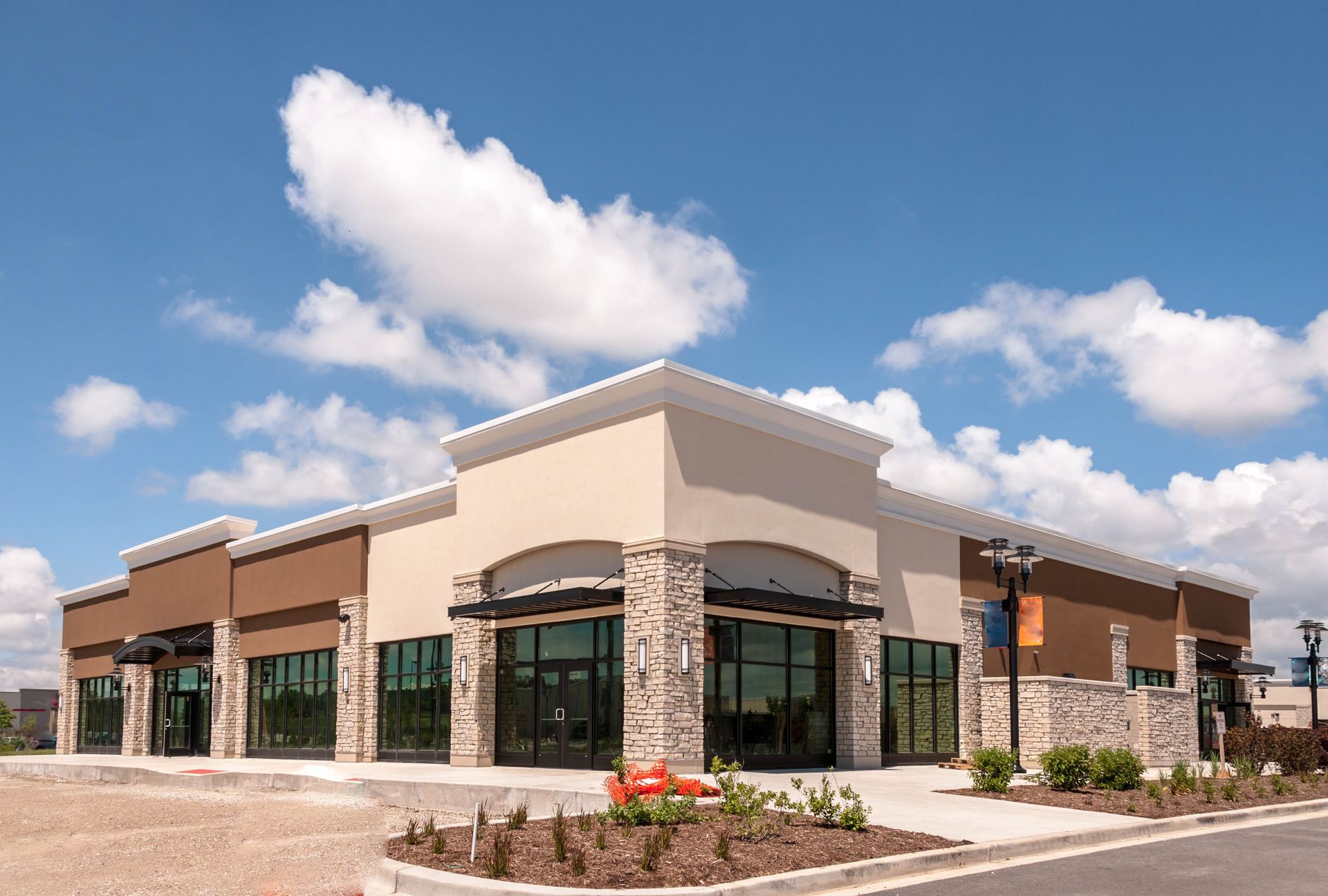
Review past builds to gain a transparent window into a company's actual capabilities. Examining a diverse portfolio allows you to see if a commercial contractor can handle the specific technical challenges your project presents. We believe it is vital to match a builder's past success with your current industry demands. For example, if you are developing a retail footprint, look for deep experience within the commercial retail sector. A commercial contractor with relevant sector experience will facilitate better planning, navigate zoning laws efficiently, and streamline the entire construction process. A thorough portfolio review reveals a company's competence and adaptability to handle complex projects. Carefully scrutinizing past projects also unveils how well a contractor has adapted to evolving industry standards and client expectations. Therefore, selecting a contractor whose past work demonstrates both innovation and adherence to best practices can significantly impact project outcomes.
Analyze Material Selection and Modern Trends
Examine the types of building materials a builder routinely utilizes on their job sites. High-quality materials directly impact the long-term durability, energy efficiency, and maintenance costs of your commercial property. For instance, metal roofing has seen a massive surge in adoption due to its longevity and sustainability. According to a report by This Old House, metal roofs are ranked as the second-most popular material for roofs, whether they are residential or commercial roofs. A forward-thinking commercial contractor will be well-versed in installing these modern, durable systems to maximize your return on investment. Incorporating contemporary materials can enhance both aesthetic appeal and operational efficiency, setting your property apart. Selecting materials that align with industry technology advancements ensures your property remains competitive in the long term. Consideration of material innovations, such as energy-efficient glass or smart insulation, can further future-proof your investment.
Verify Industry Credentials and Professional Standings
Check for active professional certifications and accolades from recognized trade organizations. Credentials from groups like the Associated General Contractors of America indicate a dedication to strict safety guidelines and continuous education. When a contractor maintains these high standards, it translates to superior risk management and quality delivery on your job site. Awards for construction excellence further validate a builder's ability to innovate and solve complex architectural challenges. Evaluating these credentials helps you separate high-performing professionals from mediocre operations. Verifying professional credentials ensures your project is handled with the utmost expertise and credibility. Recognized industry affiliations reflect a builder's commitment to ongoing professional development and adherence to best practices.
Evaluate Financial Stability and Bonding Limits
Conduct a thorough review of a builder's financial background to protect your investment from unexpected disruptions. A financially secure commercial contractor possesses the liquid capital necessary to keep projects moving forward without cash flow delays. This stability allows them to negotiate volatile material prices and secure favorable terms with major manufacturers. Furthermore, always verify their total bonding capacity with their surety company. High bonding limits indicate that financial institutions have full confidence in the builder's capacity to fulfill substantial contractual obligations. Robust financial health is a safeguard against potential project interruptions, enabling steady progress and timely completion. Maintaining a sound financial base not only signifies reliability but also enhances trust with stakeholders involved in the project.
Inspect Insurance Coverage and Risk Mitigation
Confirm that your prospective builder carries comprehensive commercial insurance policies before signing any contract. Adequate coverage must include general liability, workers' compensation, and umbrella policies tailored to large-scale operations. A fully insured contractor protects your business from third-party liabilities, workplace injuries, and property damage during construction. Reviewing their safety record and insurance history can also reveal how responsibly they manage active job sites. Prioritizing strict risk management ensures project continuity and safeguards your capital from legal entanglements. Insurance verification is crucial to mitigate risks effectively, guaranteeing peace of mind throughout the construction period. Thoroughly understanding a contractor's insurance capabilities can also aid in better aligning risk management strategies with your project objectives.
Review Supplier Networks and Trade Relationships
Investigate the strength of a builder's relationships with local suppliers and specialized vendors. A well-established commercial contractor leverages long-standing vendor ties to secure premium building materials at competitive price points. These robust supply chains minimize the risk of project delays stemming from material shortages or logistics breakdowns. In periods of material scarcity, preferred status with suppliers ensures your job site remains fully supplied. Strong trade relationships are a clear indicator of organizational health and operational efficiency. Efficient supplier networks bolster project resilience by ensuring consistent quality and timely sourcing of necessary materials. Forging strategic partnerships with key suppliers can also culminate in innovative solutions and cost efficiencies that benefit project undertakings.
Check Subcontractor Payment Practices and Morale
Inquire about a builder's historical payment practices with their subcontractors and field crews. Ethical and timely disbursement of payments creates a positive working environment and keeps project momentum high. When a contractor pays vendors transparently, they attract top-tier craftsmen who prioritize their projects. Conversely, a history of payment disputes or delayed compensation can lead to workforce departures and costly legal liens against your property. Clear financial practices ensure that everyone on the job site remains motivated to achieve excellence. Maintaining a reliable payment pipeline is essential for sustaining morale and ensuring project timelines are met. Reliable payment practices not only help in retaining skilled labor but also in enhancing the reputation of the builder within the contracting community.
Solicit Direct Feedback From Past Clients
Gather unbiased testimonials and third-party reviews to understand the daily reality of working with a builder. Speaking directly with past clients allows you to ask specific questions about communication styles, timeline adherence, and budget management. Notice how a commercial contractor responds to unexpected structural challenges or necessary design changes during the build. Consistency in positive feedback across multiple public platforms reinforces a company's reputation for quality workmanship. Gathering these references allows you to construct an accurate profile of their reliability. Client testimonials offer profound insights into the contractor's practical proficiency and customer satisfaction levels. Engaging with prior clients can also uncover nuanced insights about collaboration dynamics and post-completion service quality.
Partnering with the right professionals alters the entire trajectory of your commercial build. By evaluating portfolios, financial health, and industry relationships, you protect your investment and guarantee a structural masterpiece. At Ross & Associates, we specialize in delivering top-tier commercial construction management services tailored to your exact operational goals. We handle every phase of construction with meticulous attention to detail, clear communication, and uncompromised structural integrity. Contact Ross & Associates today to discuss your upcoming project requirements and discover how our experienced team can bring your commercial vision to life safely, efficiently, and within budget.


Share On: